How to Choose the Right HVAC Partner: Questions to Ask
Hiring an HVAC contractor? Here are the exact questions we tell homeowners to ask before signing anything. Straight talk from Unique Air.
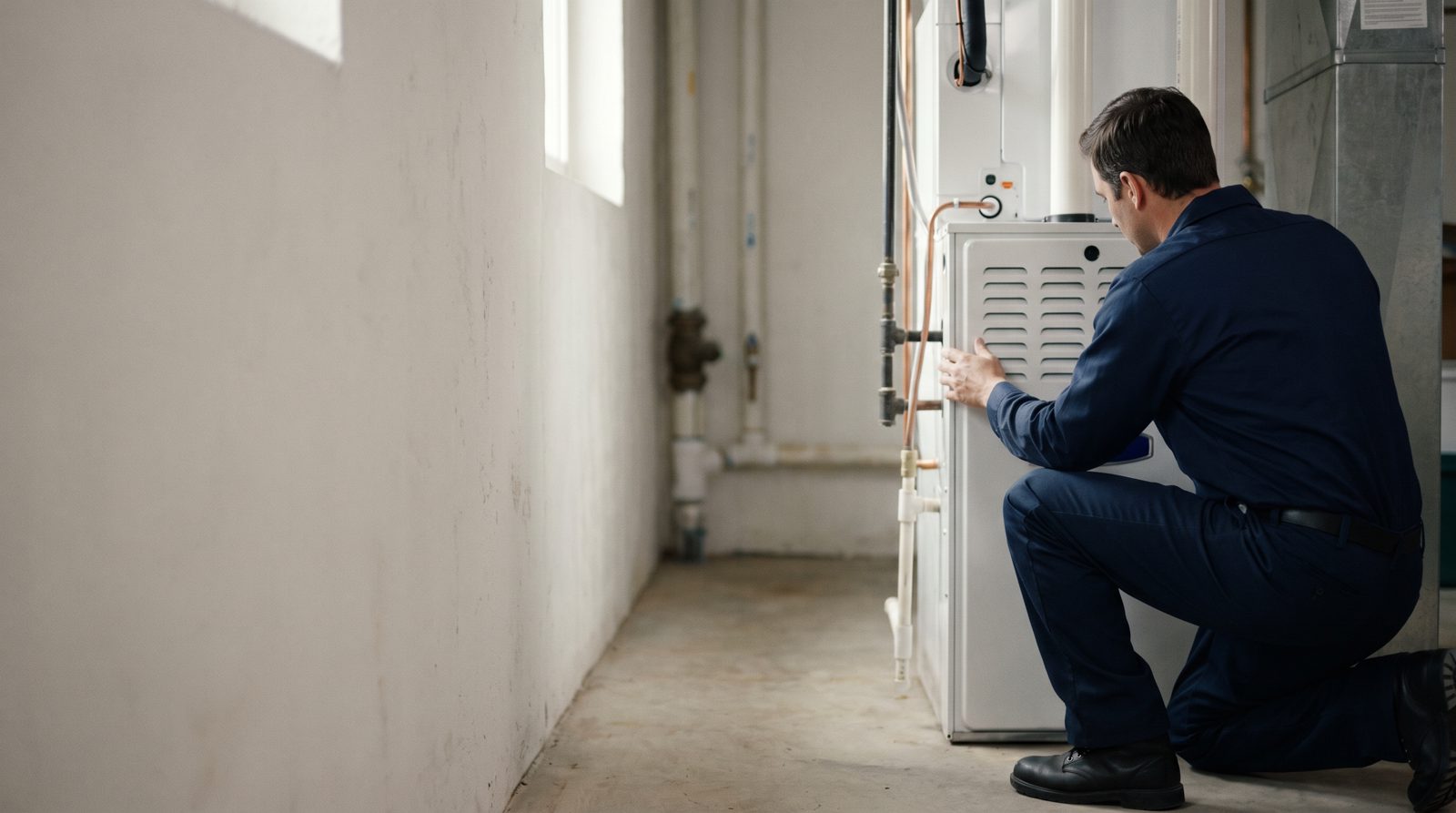
Choosing the right HVAC partner comes down to five questions: Are you licensed and insured in this state? Who performs the actual work on my system? What's your callback rate? Do you provide a written load calculation? And what does your warranty cover in year three? Ask those. The answers tell you everything.
At Unique Air, founded in 2011 on Birch Street, we've replaced enough badly installed systems to know that the wrong contractor costs more than a broken furnace. A $9,800 install done poorly runs $14,000 by year five. So the questions worth asking aren't about price. They're about proof.
What credentials should a real HVAC contractor actually have?
Start with the license. Every state regulates HVAC work differently, but a legitimate contractor carries a mechanical or HVAC license, general liability insurance of at least $1 million, and workers' comp for every technician on site. Ask to see the certificates. A pro will email them within an hour.
Beyond the paperwork, look for NATE certification on the technicians who will actually be in your attic. NATE (North American Technician Excellence) is the industry's independent testing body, and studies referenced by the U.S. Department of Energy show properly certified installs can improve system efficiency by up to 30% compared to poor installations [1]. That's real money on your electric bill.
Here's the contradiction most people miss. Everyone asks about brand. Carrier, Trane, Lennox, doesn't matter as much as you think. A mid-tier unit installed correctly will outlast a premium unit installed badly. Every time.
How do we know if the quote is honest?
A trustworthy quote includes a Manual J load calculation. This is a room-by-room heat gain and loss analysis, and it's required by most building codes for a reason. Skipping it is how homes end up with oversized units that short-cycle, wear out early, and never dehumidify properly [2].
Ask these five questions before you sign anything:
- Did you perform a Manual J load calculation, and can I see the report?
- What is the SEER2 rating of the proposed unit and why this size for my square footage?
- Who specifically will be on my property, and are they W-2 employees or subcontractors?
- What's included in the price: permits, disposal of the old unit, new line sets, thermostat, and startup testing?
- What happens in year two if the compressor fails on a Saturday in August?
If any of those answers come back vague, walk. Last August a homeowner named Rachel on Elm Avenue called us after another company installed a 4-ton unit in her 1,650 sq ft ranch. The system ran 8-minute cycles all summer and her humidity sat at 68%. We swapped in a properly sized 2.5-ton variable-speed unit. Her July bill dropped $94.
Should we go with the cheapest bid or the most expensive?
Neither. The bid you want sits in the middle, backed by the clearest paperwork. Here's how the three tiers usually break down:
| Bid tier | Typical range | Who it's for | When to avoid |
|---|---|---|---|
| Budget (lowest 20%) | $4,500-6,800 | Rental properties, short-term ownership | Skips load calc or permits |
| Mid-tier | $7,200-10,500 | Most homeowners staying 7+ years | Rarely the wrong choice |
| Premium | $11,000-16,000+ | Custom homes, zoned systems, allergy concerns | Salesperson can't explain the delta |
The lowball bid almost always cuts a corner you can't see. The premium bid sometimes justifies itself with variable-speed equipment and true zoning. Sometimes it doesn't. Make them show their math.
For more on how we approach this, see behind the work at Unique Air and our welcome post explaining how the company started.
Why does the warranty matter more than the brand?
Manufacturer warranties on the compressor usually run 10 years. That's standard. What isn't standard is the labor warranty, which is what actually costs you money when something fails. A one-year labor warranty is thin. Five years is serious. Ten years means the company is betting on their own install quality.
Try this: ask the contractor what percentage of their installs need a warranty callback in year one. A confident answer, with a real number under 5%, tells you they track it. A shrug tells you they don't.
FAQ
How long should a new HVAC system last?
A properly sized and installed central system lasts 15-20 years for the air handler and 12-17 years for the outdoor condenser, according to ENERGY STAR guidance. Coastal homes see shorter lifespans due to salt corrosion. Regular maintenance, meaning twice-yearly checks, adds three to five years on average.
Do we need to replace both the indoor and outdoor units together?
Yes, in almost every case. Mixing an old air handler with a new condenser creates efficiency mismatches, voids most manufacturer warranties, and often uses incompatible refrigerants. The R-22 to R-410A transition, and now the 2025 shift to A2L refrigerants, makes partial replacements risky.
What time of year is cheapest to replace an HVAC system?
Shoulder seasons: late September through early November, and February through March. Contractors have open schedules, manufacturers run rebates, and you're not making a decision under heat-stroke pressure. Emergency August replacements cost 15-25% more on average and give you fewer equipment options.
Is a permit really necessary for HVAC replacement?
Yes. Permits protect you at resale and ensure a third-party inspector verifies the work. Unpermitted installs can void homeowner's insurance claims after a fire and complicate any future sale. The permit fee is typically $85-250 and should be included in your quote, not added later.